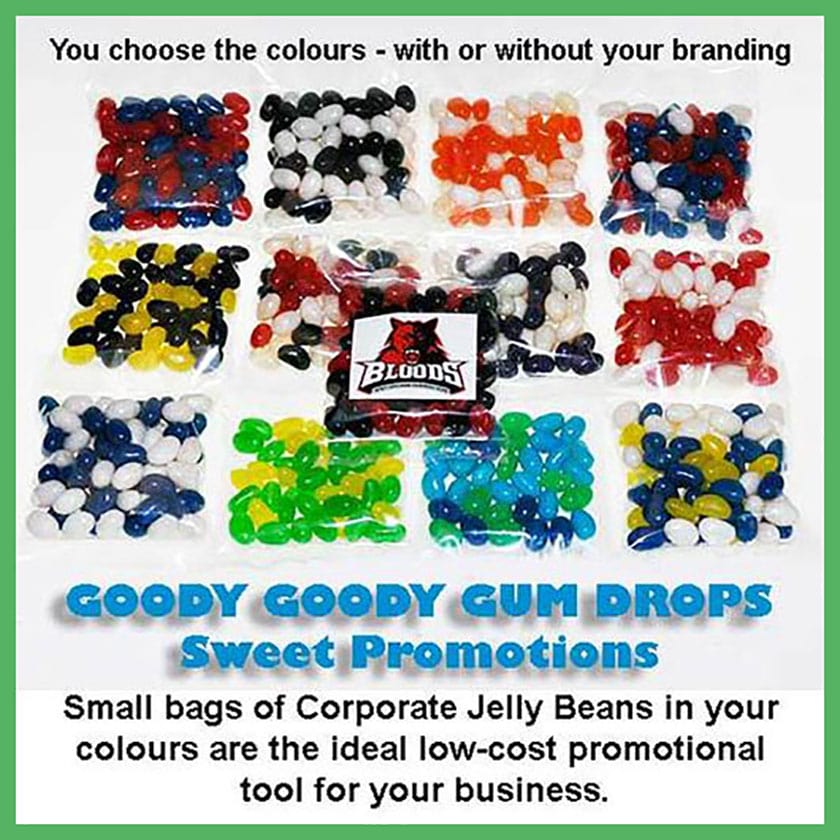
LOW COST PROMOTIONAL LOLLY BAGS FOR YOUR BUSINESS - WITH OR WITHOUT YOUR BRANDING.

0

Your Cart is Empty

OUR PRODUCTS

14 May, 2026 3 min read

The Sweet History of Life Savers – The Candy with the Hole

Few lollies are as instantly recognisable as Life Savers — the colourful ring-shaped candy famously known as “the candy with the hole.” For generations, these little sweets have been tucked into pockets, handbags, lunchboxes and car glove compartments around the world. Their unique shape, fruity flavours and refreshing taste helped turn them into one of the most iconic confectionery brands ever created.

How Life Savers Began

Life Savers were invented in 1912 by American chocolate maker Clarence Crane from Ohio. Legend has it that Crane wanted to create a candy that could survive the summer heat better than chocolate. His solution was a hard mint candy shaped like a miniature life preserver, inspiring the name “Life Savers.”

The distinctive hole in the centre quickly became the candy’s trademark. Over time, the design also developed a practical reputation, with many people believing the hole reduced the risk of choking by allowing some airflow if the lolly became lodged in the throat. While that story became part of Life Savers folklore, the shape itself was originally inspired by nautical life rings.

From Pep-O-Mint to Fruity Classics

The original flavour was Pep-O-Mint, but Life Savers soon expanded into fruit varieties that became hugely popular. Brightly coloured rolls featuring flavours such as cherry, lemon, orange and lime became a staple in shops, cinemas and service stations across the world.

Over the decades, the brand experimented with gummies, jelly-style candies and even “Life Savers Holes” in the 1990s — tiny bite-sized versions of the centre pieces without the ring shape. These gained a cult following before eventually disappearing from shelves.

Why People Still Love Them

Part of the magic of Life Savers is nostalgia. For many people, the sound of opening a roll instantly brings back memories of road trips, corner stores and childhood treats. Their simple design has hardly changed in more than a century, proving that sometimes the best ideas do not need reinventing.

Collectors and lolly lovers still hunt for retro sweets from their childhood, and Life Savers remain one of the classic international confectionery brands recognised around the globe.

Finding Retro Lollies Online in Australia

If you love classic sweets and retro favourites, Goody Goody Gum Drops is a great place to

explore. The family-owned Australian business has been operating since 2006 and offers a huge range of bulk lollies, chocolates, jelly beans, boiled sweets and retro confectionery online.

Known as a one-stop online lolly shop, Goody Goody Gum Drops stocks everything from old-fashioned favourites to modern candy treats, including a range of retro lollies that bring back memories of school days and childhood trips to the milk bar.

Whether you are organising a party, creating a candy buffet, shopping for gifts or simply satisfying a sweet tooth, classic treats like Life Savers continue to prove that some lollies never go out of style.

Top of Form

The Australian origin of Lifesavers:

Bottom of Form

The Australian origin of Life Savers dates back to 1921, when the first Australian factory opened on Parramatta Road in Sydney. The brand itself had originally been invented in the United States in 1912, but Australian businessman Bill Kirby recognised its potential locally and helped establish the confectionery brand across Australia and parts of Asia.

Life Savers quickly became one of Australia’s best-known lollies during the 1920s and 1930s. Australian factories later expanded across both Sydney and Melbourne, producing many flavours including Pep-O-Mint, Spearmint, Musk, Violet and the famous Five Flavours rolls. The Musk variety became especially iconic because musk is considered a uniquely Australian confectionery flavour.

Over time, ownership of the Australian Life Savers business changed several times:

  • Originally produced locally under licence from the American company

  • Later controlled by confectionery groups linked to Nestlé

  • Manufactured in Australia for decades before some production moved to New Zealand in the early 2000s

  • Returned to Australian ownership in 2018 when Darrell Lea purchased the Australian and New Zealand Life Savers brand rights from Nestlé.

In 2019, production officially returned to Australia at Darrell Lea’s factory in Ingleburn, south-west Sydney.

Today, the Australian version of Life Savers differs from the American brand. In Australia, the brand now includes products such as Fruit Tingles, Fruit Pastilles, Blackcurrant Pastilles, Musk rolls and Sour Pastilles, while the classic ring-shaped “candy with the hole” has become more nostalgic and harder to find locally.

Leave a comment

Comments will be approved before showing up.