

LOLLIES - SWEETS - CANDY


GOURMET CHOCOLATE INDULGENCE.



ROCK CANDY - BOILED LOLLIES - LOLLIPOPS




PROMOTIONAL LOLLY BAGS


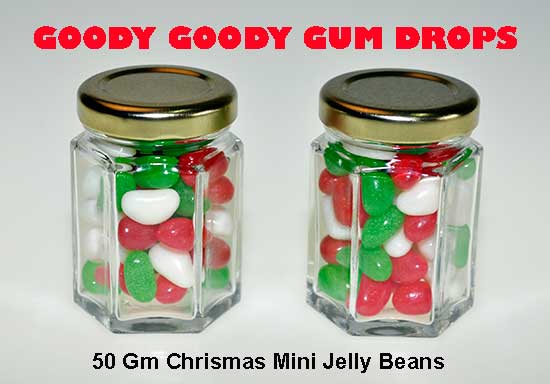

Low-cost branded jelly bean bags in your colours. An ideal way to promote your business.


Tracing the Heritage of Stedman-Henderson Sweets: A Historic Journey Through Australia's Confectionery Legacy
Introduction to Stedman-Henderson Sweets
Stedman-Henderson Sweets was more than just a confectionery brand; it's a cornerstone of Australia's sweet history. Over the course of more than a century, the brand built a legacy rooted in quality craftsmanship, innovative flavors, and a deep connection to Australian culture. From humble beginnings as a small family operation to a nationally recognized icon, Stedman-Henderson did weave itself into the fabric of Australia's culinary heritage.
The Origins and Historical Background
James Stedman established his confectionery business in Sydney in 1875, which was incorporated as James Stedman Ltd in 1900. In 1916, following a factory fire, Stedman merged with Henderson’s Sweets (founded in 1903) to form James Stedman-Henderson Sweets Ltd.
The merged company moved to a new 12-acre factory in Rosebery, Sydney, in 1918, which was named Sweetacres after a staff competition. This facility became famous for producing iconic Australian sweets, including Minties (invented in 1922), Jaffas (1931), and Fantales (1939).
The company was taken over by Hoadleys in 1967, then by the British firm Rowntree in 1971. In 1988, Nestlé acquired Rowntree, eventually absorbing the operations into its Allen’s brand, which led to the demise of the Sweetacres brand name
Founding and Merger
James Stedman began his career in confectionery at age 14 and purchased the Sydney business he worked for in 1875, establishing what would become a major Australian confectionery empire. The company, James Stedman Ltd, was incorporated in 1900 and became known for its Lion Brand products like butter scotch and peppermints.
In 1903, James Henderson & Sons was founded, gaining popularity with Henderson’s Herbal Cough Drops and Honey Kisses, a caramel sweet with romantic messages on its wrappers, produced entirely from Australian ingredients. (Maybe the inspiration for Fantales.)
Sweetacres and Iconic Products
In 1918, the merged company moved to a new, state-of-the-art 12-acre factory in Rosebery, Sydney, named Sweetacres after winning a staff competition. This 16-acre complex, designed by architect John Burcham Clamp, consolidated all operations and became a model industrial estate, complete with a canteen, social hall, sports grounds, and library for its over 1,000 employees, who were predominantly young women.
It was at Sweetacres that the company's most famous products were created:

- Minties were invented in 1922 by James Noble Stedman, son of the founder. By 1925, the factory produced a million per day. The iconic advertising slogan, “It’s moments like these you need Minties,” debuted in 1926.
- Jaffas, chocolate-coated orange balls, were first made in 1931. The name was inspired by the Palestinian city of Jaffa, famed for its oranges.
- Fantales, a caramel and chocolate treat, were introduced in 1939, specifically marketed to movie-goers.
The story of Stedman-Henderson Sweets begins in the early 1900s, when two visionary confectioners, John Stedman and William Henderson, joined forces in Melbourne to create delightful confections. Their shared passion for quality and their desire to bring joy through sweets laid the foundation for what would become a beloved Australian brand.
Initially operating out of a small storefront, the founders prioritized handcrafted techniques and used local ingredients wherever possible. Their commitment to excellence quickly earned them a loyal customer base. The brand's early products—rich caramel candies, soft fudges, and fruit jellies—became regional favorites, setting the stage for national expansion.
Corporate Takeovers and Legacy
The company was registered as a public entity in 1920. Its independent history ended with a series of takeovers:
- In 1967, it was acquired by Melbourne-based Hoadley’s, and the Rosebery factory was closed.
- The combined group was then bought by the British company Rowntree in 1971, becoming Rowntree Hoadley.
- In 1988, Nestlé acquired Rowntree, absorbing its Australian operations. Nestlé also acquired Allen’s around the same time.
In a major brand consolidation, Nestlé moved the iconic Sweetacres products—Minties,

Jaffas, and Fantales—under the Allen’s brand, effectively retiring the Sweetacres name. The legacy of the factory lives on in Rosebery, with Sweetacres Park, Stedman Street, and new parks named Allsorts Park and Honeykiss Walk.
Evolution Through the Decades
1920s-1930s: Building Reputation and Product Diversity
- Product Innovations: Introduction of the Henderson Caramel Bar, a decadent treat combining smooth caramel with high-quality Australian chocolate.
- Business Growth: Opening of additional storefronts and the establishment of a dedicated manufacturing facility in Melbourne to meet rising demand.
- Community Engagement: Sponsorship of local events and involvement in regional fairs helped solidify its presence in the community.
1940s-1950s: Post-War Boom and Iconic Creations
- Post-War Revival: During and after WWII, the company adapted to changing economic conditions by introducing value packs and larger family-sized boxes.
- New Products: Launch of various nougat and fudge varieties, cultivating a reputation for rich, filling confections.
- Market Expansion: Beginning distribution to other Australian states and developing relationships with local retailers.
1960s-1980s: Modernization and National Reach
- Manufacturing Upgrades: Adoption of modern machinery allowed for increased production while maintaining artisanal quality.
- Brand Evolution: Introduction of new marketing strategies, including print advertisements and sponsorships, to appeal to a broader audience.
- Product Line Expansion: Launch of seasonal candies and specialty chocolates tailored for holidays and celebrations.
1990s-2000s: Reinventing Traditions for New Generations
- Product Revival: Reintroduction of retro favorites with a modern twist, appealing to nostalgic consumers.
- Environmental Commitment: Implementation of sustainable sourcing and eco-friendly packaging practices, aligning with global environmental concerns.
Market Diversification: Entry into international markets, showcasing Australian craftsmanship on a global stage.
What specific products did James Stedman invent?
James Stedman did not personally invent any of the company's most famous products, such as Minties, Jaffas, or Fantales. These were created by his son, James Noble Stedman, after the founder's death in 1913.
However, James Stedman built the company's foundation by producing a wide range of confectionery under the Lion brand, including:
- Butter Scotch
- Tofflets
- Peppermints
- Brandy balls
- Bull’s eyes
- Candy canes (lolly sticks)
He also produced conversation lollies and imported other sweets, establishing the business that later created the iconic Australian candies.
What manufacturing processes did Stedman use locally?

James Stedman's company, initially operating from factories in Kent and Clarence Streets, Sydney, used steam-powered manufacturing processes for its Lion Brand confectionery, including butter scotch, toffees, peppermints, and boiled lollies like candy canes and bull's eyes.
After the 1916 merger, the new Sweetacres factory in Rosebery, opened in 1918, consolidated all operations under one roof with modern, large-scale production methods. The 12-acre facility allowed for a fully integrated manufacturing process, from cooking and coating to sorting and packing, as evidenced by a 1924 company catalogue. This modern design facilitated the mass production of iconic products like Minties, which reached a rate of one million per day by 1925.
While the fire was the catalyst for the merger with Henderson's and the subsequent construction of the modern Sweetacres factory in 1918, the available sources do not document any formal changes to safety codes, building regulations, or industry standards that were implemented in response to that specific incident.
The construction of the new 12-acre facility in Rosebery represented a significant modernization. It was a purpose-built, state-of-the-art complex designed by architect John Burcham Clamp that consolidated all operations. The factory was described as "generously equipped" with amenities for its over 1,000 employees, including a canteen, social hall, sports grounds, and a library. While this indicates a focus on modern industrial design and worker welfare, the sources do not confirm the adoption of specific new safety or structural codes.
Heritage and Cultural Significance
Stedman-Henderson Sweets has become embedded in Australian culture—serving not only as a source of delightful treats but also as a symbol of local craftsmanship and community spirit. Their products have been featured in Australian films, television shows, and culinary festivals, further entrenching their legacy.
Moreover, the company's commitment to using local ingredients has supported Australian farmers and suppliers, fostering sustainable economic practices and community development.
Please checkout "A short history of Australian lollies" CLICK HERE
Leave a comment
Comments will be approved before showing up.
PayPal Pay Later Messaging
Step 1: Choose message placement
Click the button below and then hover over your page to select a placement.